Faced with pain, injury, or discomfort in daily movements, many people hesitate before consulting a physical therapist. Should you wait for it to pass? Is it too early? Or, on the contrary, too late?
In reality, physiotherapy can be beneficial at many times, well beyond just treating injuries.
Recognize the signs that should be a cause for concern
Certain situations indicate that it is advisable to consult a physiotherapist. This is notably the case when:
- A pain has persisted for several days or weeks
- A discomfort that returns regularly, even if it disappears at times
- A movement becomes difficult or painful in everyday life
- pain appears after a Sports activity or a false move
- You limit your activities out of fear of pain
These signs indicate that the body is no longer adapting properly and that targeted support may be necessary to prevent the worsening or chronification of symptoms.
What a physical therapist actually does during the first consultation
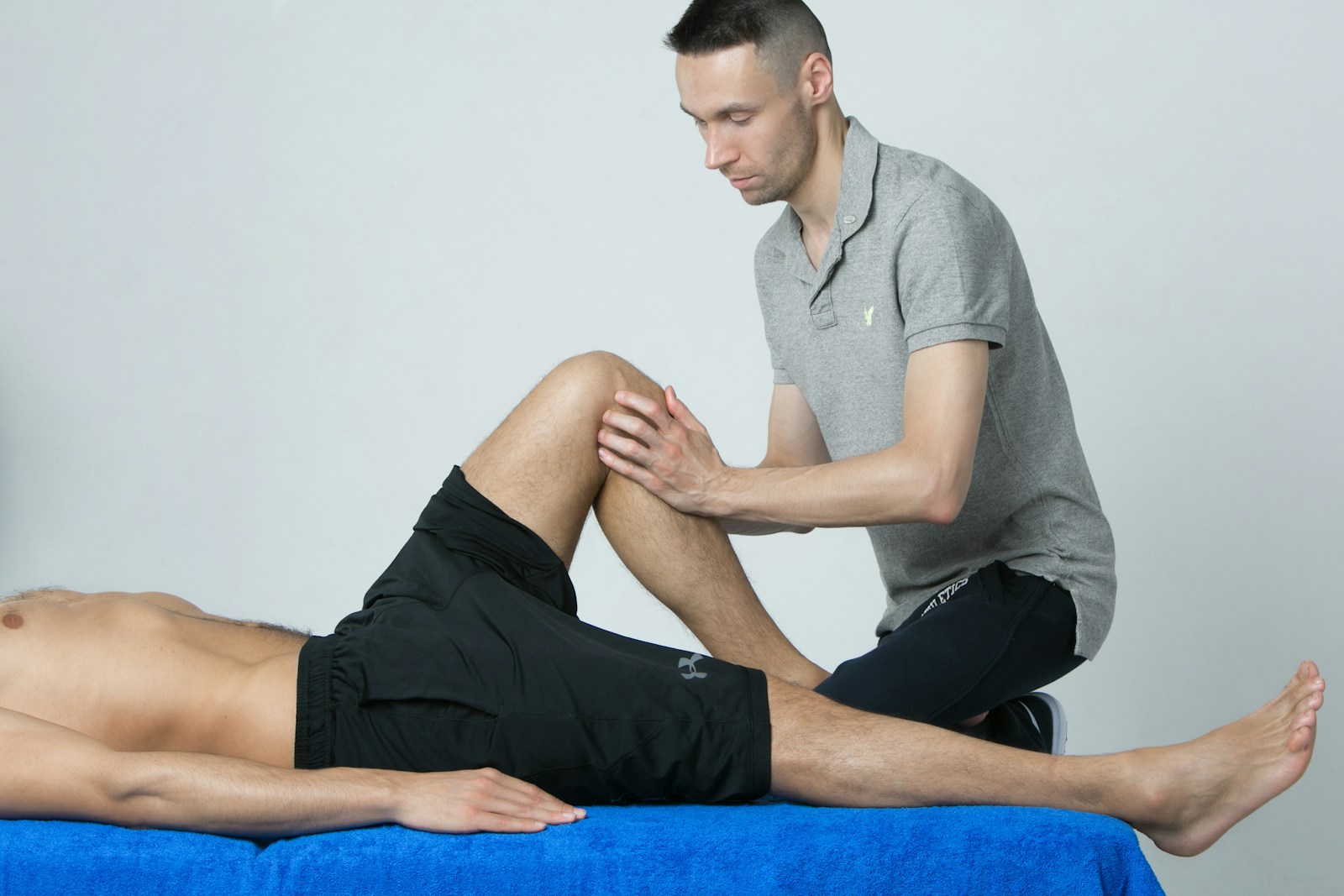
Consult a physiotherapist does not solely mean «treating pain.» The first session is primarily dedicated to a Comprehensive and personalized evaluation.
The physiotherapist takes the time to understand your situation: the onset of symptoms, their evolution, your professional and sports activities, as well as the constraints of your daily life.
A movement analysis is then performed to assess mobility, strength, coordination, and any potential compensations. This approach makes it possible to identify the functional origin of the problem and establish a treatment plan tailored to your goals.
Within a Physiotherapy clinic in Geneva, especially in the Grand-Saconnex, this step is essential for offering effective and consistent support from the outset.
Physiotherapy is particularly indicated in the following cases:
Physical therapy serves a broad audience and covers many situations.
It is recommended in case of musculoskeletal pain, such as back, neck, shoulder, knee, or hip pain, whether acute or chronic.
It also plays a central role in the Sports injury management sprains, tendonitis, muscle injuries, or pain related to overuse. Whether the sport is occasional or regular, the goal is to promote a gradual and safe return.
After a surgical intervention, a fracture or a period of immobilization, physiotherapy helps to regain mobility, strength, and confidence in movement.
Finally, it is also part of an approach to prevention, in order to limit relapses, improve movement patterns, and support the resumption or increase of physical activity.
Why waiting isn't always the best option
It is common to hope that pain will disappear on its own. While this can sometimes be the case, some pains become progressively ingrained and more complex to treat over time.
Waiting can lead to the development of compensations, a loss of mobility, or movement apprehension.
Self-medication can provide temporary relief, but it doesn't treat the cause of the problem. Physiotherapy offers an active approach, aiming to understand the origin of symptoms and to bring about lasting improvements in bodily function.
Consulting early often allows for a quicker recovery and limits the risk of persistent pain.
How to choose your physiotherapy practice in Geneva
The choice of a firm is based on several important criteria. proximity is a key element: an easily accessible office encourages regular follow-up.
Visit Team qualification and the clarity of the therapeutic approach are also essential. A practice offering personalized care, adapted to your situation and your goals, provides better conditions for recovery.
Finally, the trusting relationship plays a central role. Feeling heard, understood, and supported in a professional and caring environment greatly contributes to the effectiveness of treatment.
In summary
Consulting a physiotherapist in Geneva is relevant as soon as pain, injury, or functional limitation impacts your daily life or physical activity. Personalized care not only relieves symptoms but also helps you regain mobility, confidence, and autonomy in movement.
If you are looking for a Physical therapy practice in Grand-Saconnex, on the outskirts of Geneva, tailored support can help you move better, more serenely, and sustainably.
Article written by the OnTherapy Team – Physiotherapy Clinic in Grand-Saconnex, Geneva




Leave a Reply