Our resources to support you
The firm About Therapy, center Physical therapy in Grand-Saconnex, on the outskirts of Geneva, possesses modern assessment and treatment tools enabling Precise, personalized, and data-driven support.
We use Muscle strength measurement tools, such as dynamometers, in order to analyze muscle function, objectify deficits, and track progress throughout the treatment. These evaluations allow for continuous adaptation of the rehabilitation to the specific needs of each patient.
Our approach also integrates Specialized techniques as the dry needling and the Blood Flow Restriction (BFR), particularly useful in the management of persistent pain, of muscle damage, of the Rehabilitation after injury or during a Gradual return to sports.
Whether you are athlete, in Rehabilitation after injury or surgery, or looking for a High-quality physiotherapy clinic in Geneva, the team About Therapy welcomes you to a professional, modern, and easily accessible environment at Grand-Saconnex, in the immediate vicinity of Geneva.
electrical stimulation
Electrical muscle stimulation (EMS) is a training and rehabilitation method that involves triggering muscle contractions using electrical impulses transmitted through electrodes placed on the skin.
This technique specifically targets certain muscle fibers, promoting strengthening, recovery, or prevention of atrophy depending on the parameters used.
EMS is particularly useful in the post-operative phase or during immobilizations, when voluntary contractions are limited or painful.
It can also be used in addition to traditional training to optimize muscle adaptations, improve performance, or accelerate recovery while limiting mechanical stress on joints and tissues.

Dry needling
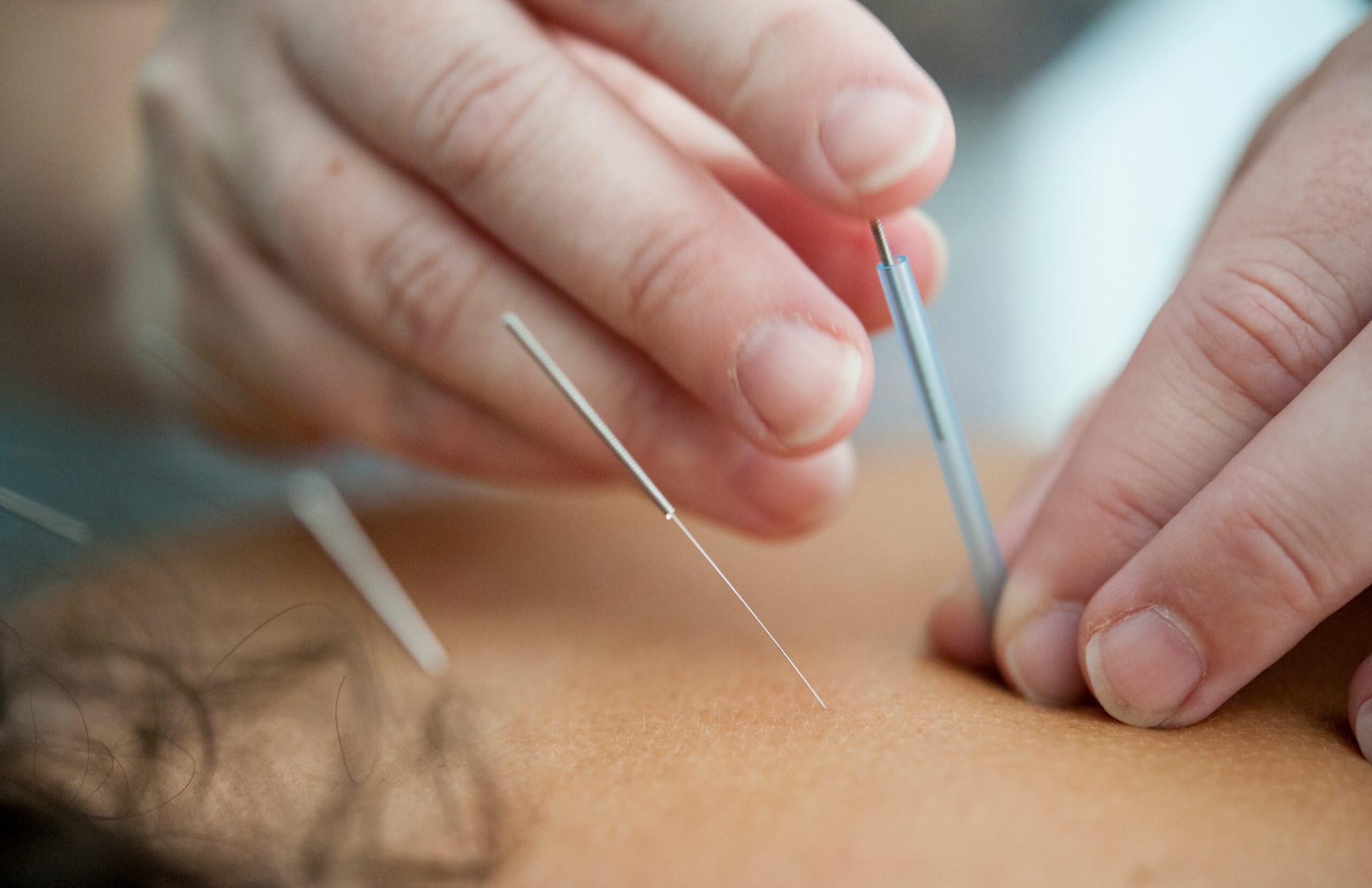
Dry needling is a therapeutic technique that involves inserting thin, sterile needles into muscular trigger points—localized areas of tension or tightness—to relax muscle fibers and reduce pain.
This method directly acts on the neurophysiological mechanisms responsible for tension, promoting better local circulation, reduced pain, and restoration of movement.
Dry needling is particularly indicated for myofascial musculoskeletal pain, whether acute or chronic, and can be integrated into a comprehensive treatment plan combining manual therapy, exercise, and education to optimize long-term results.
Acupuncture
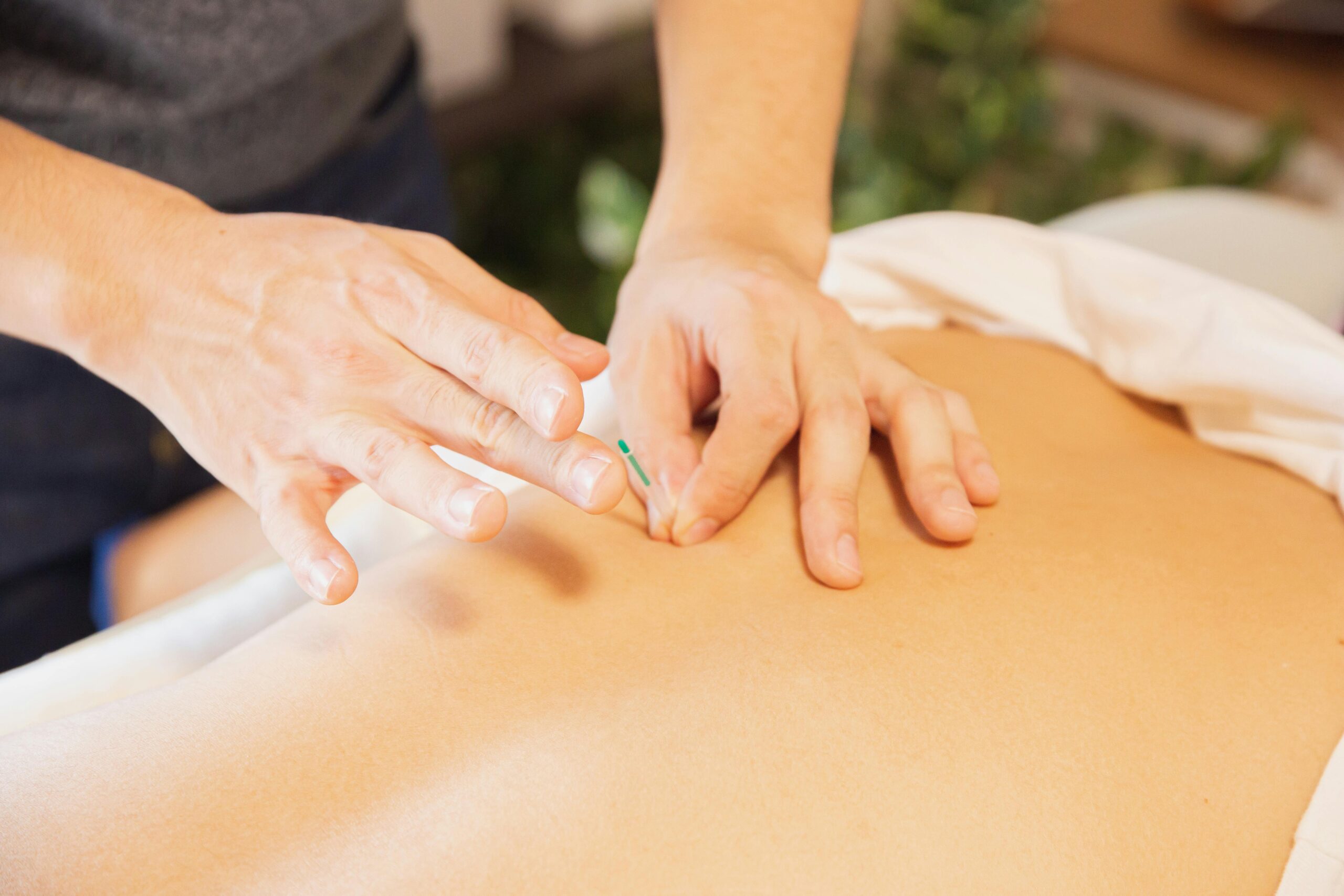
Acupuncture is a practice stemming from traditional Chinese medicine that involves stimulating specific points on the body with fine needles to restore energetic balance and promote the body's self-regulation capabilities.
Beyond its energetic approach, acupuncture also has recognized neurophysiological effects, particularly on pain modulation, muscle tone regulation, and stress reduction.
It can be used for therapeutic purposes—to relieve pain, functional disorders, or chronic tension—as well as for preventive measures, to support recovery and the body's overall balance.
Taping
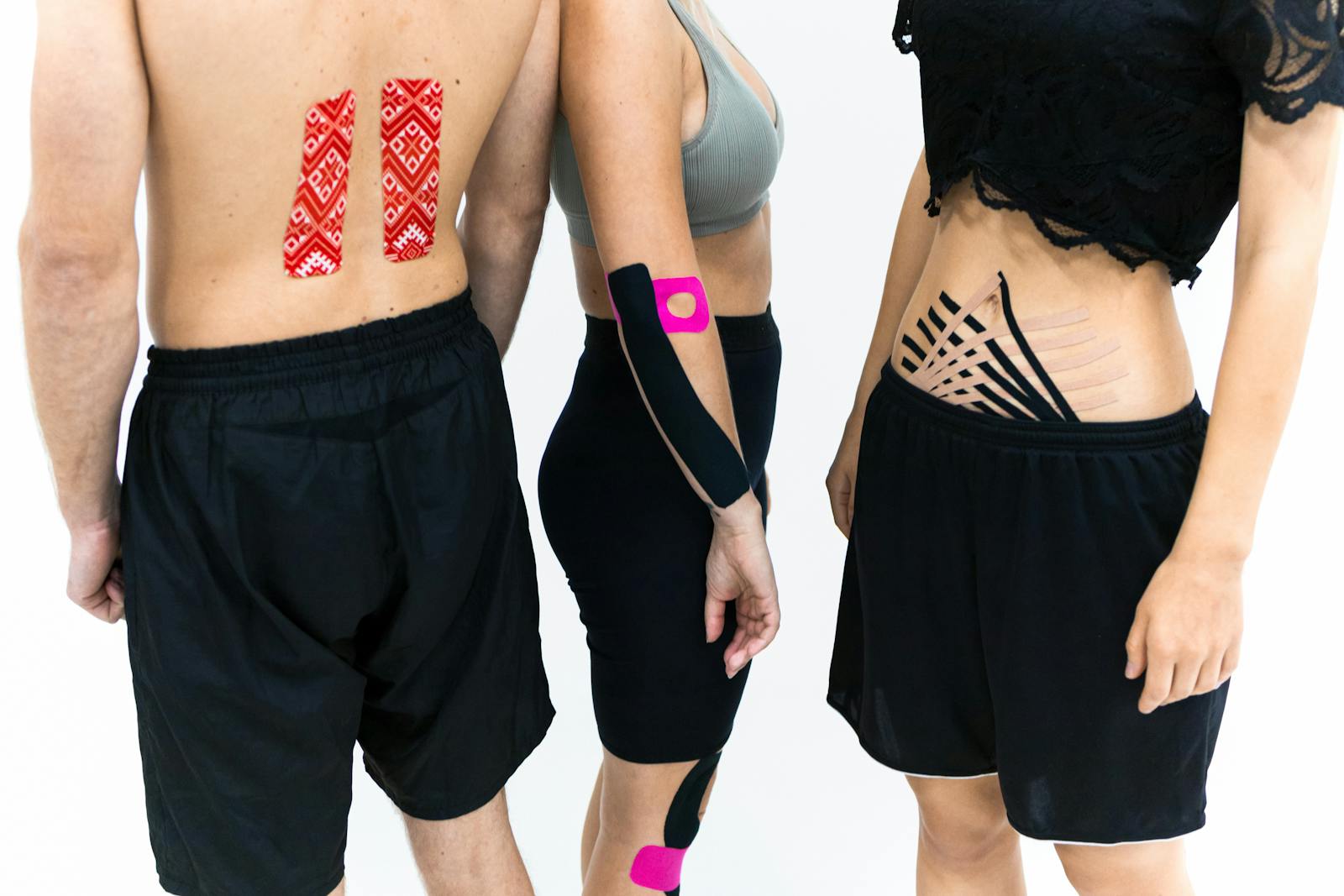
Taping (or kinesio taping) is a therapeutic technique consisting of applying elastic adhesive tapes to the skin to support muscle and joint function without limiting movement.
Depending on the method and application, taping can promote circulation, reduce pain and tension, improve proprioception, and support the recovery process.
It is particularly useful in the post-traumatic or post-operative phase, but also for sports injury prevention and performance optimization, by helping to stabilize a weakened area while preserving freedom of movement.
Dynamometer
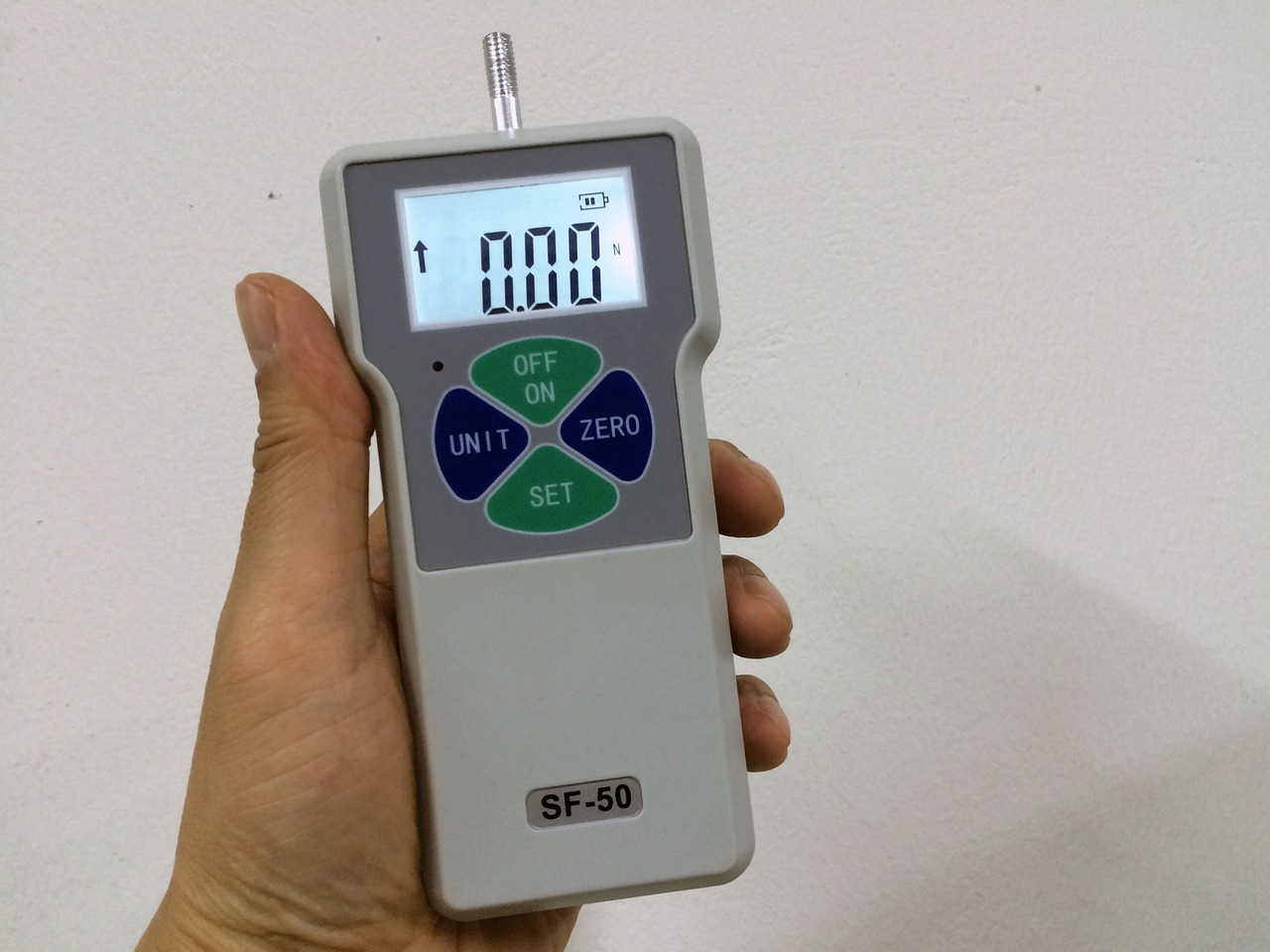
The dynamometer is a tool for measuring muscular strength, allowing for precise and objective assessment of the performance of a muscle or muscle group.
Used in rehabilitation as well as prevention, it helps quantify progress, detect imbalances, and adapt exercise programs based on the patient's needs.
This assessment is particularly useful during post-operative follow-up, return to sport, or as part of a performance evaluation, providing a reliable basis for individualized and safe training.
Manual therapy
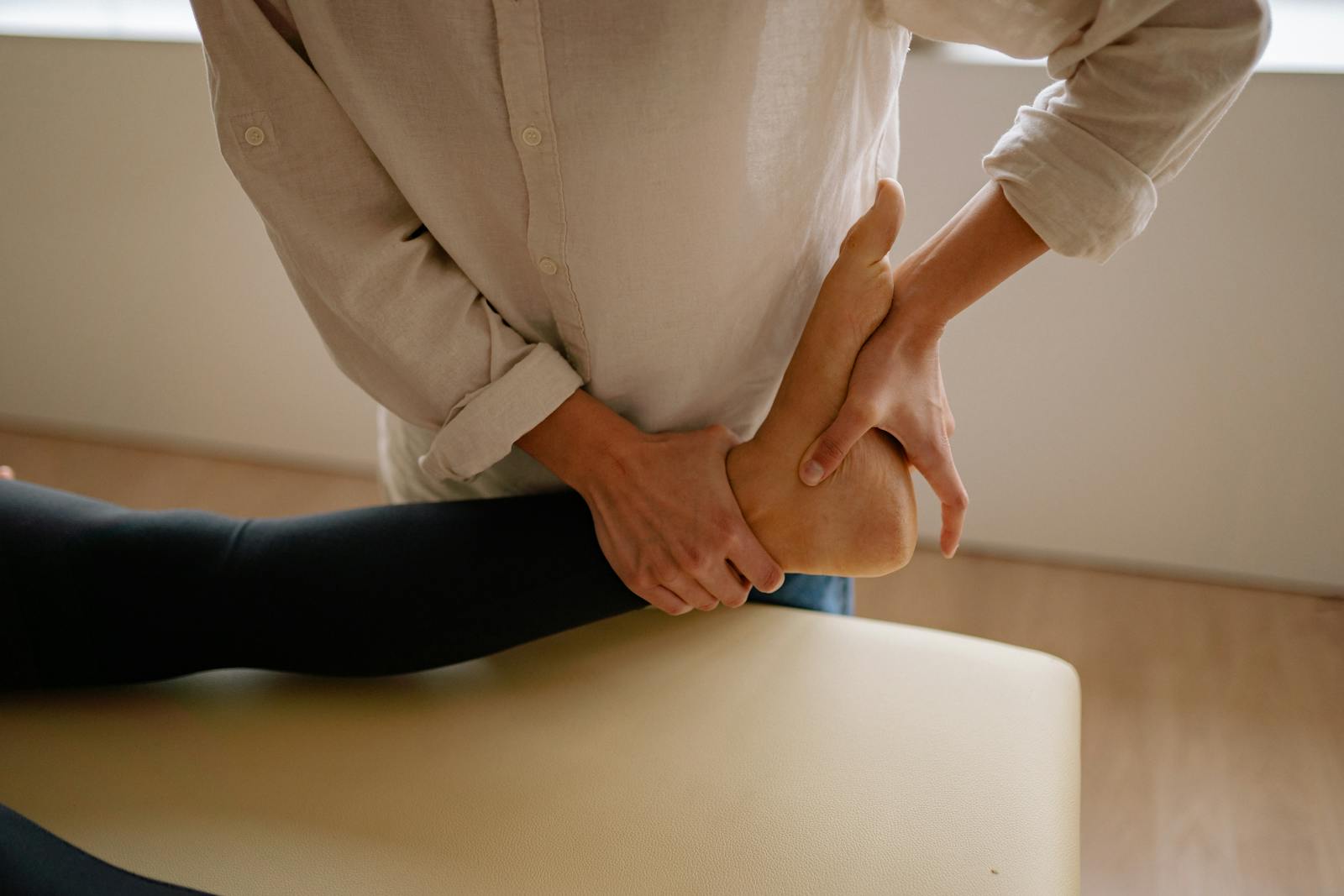
Manual therapy is a specialized approach to physiotherapy that relies on the assessment and treatment of musculoskeletal disorders using precise manual techniques.
It restores mobility, reduces pain, and rebalances joint and muscle functions.
Used in rehabilitation as well as prevention, it helps to correct movement restrictions, improve posture, and optimize functional recovery.
Manual therapy is particularly recommended for joint pain, muscle tension, or loss of mobility, offering personalized, effective, and long-lasting care.